

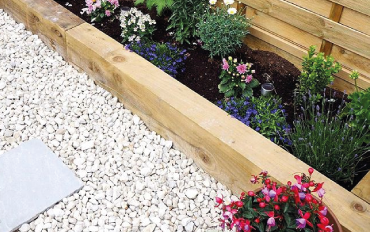
Which Railway Sleepers Are Best?
Looking to find out which railway sleepers are best for your next garden or landscaping project? The Suregreen team has answered the most common questions to help you choose the right sleepers for raised beds, borders, steps, retaining walls, and more.
What Are Railway Sleepers?
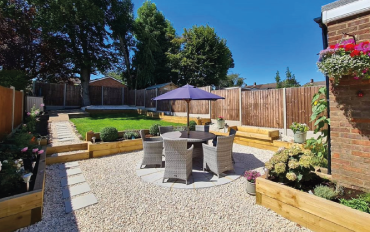
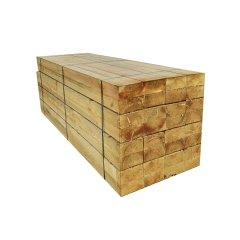
Railway sleepers are large, rectangular sawn timbers traditionally used to support train tracks. Today, they’re widely used in landscaping for building raised beds, lawn edging, steps, pathways, and retaining walls.
They’re available in different materials, colours, and finishes, each with their own benefits depending on your budget and the style of your garden.
Softwood vs Hardwood Railway Sleepers
What Are Softwood Sleepers Made From?
Our softwood railway sleepers are sawn from pine, spruce, and larch. These timbers are fast-growing, lighter, and less dense than hardwoods such as oak. To ensure long-lasting durability, they are pressure treated to protect against rot, damp, and decay.
What Are Hardwood Sleepers Made From?
Our hardwood railway sleepers are cut mainly from oak (Quercus Cerris & Robur). Oak is slow-growing, dense, and naturally weather-resistant, making hardwood sleepers strong, heavy, and long-lasting even without treatment.
In summary:
-
Softwood sleepers – affordable, easy to work with, ideal for decorative projects.
-
Hardwood sleepers – robust, premium choice for structural builds and long-term use.
How Long Do Railway Sleepers Last?
-
Treated softwood sleepers: typically 8–10 years, or up to 15 years with UC4 treatment.
-
Untreated softwood sleepers: 2–5 years, so all Suregreen sleepers are treated for longevity.
-
Hardwood oak sleepers: around 15–20 years.
-
European oak sleepers: up to 20 years or more.
Proper installation and maintenance will extend lifespan further, especially if used with suitable drainage and fixings.
Do Railway Sleepers Need Treating?
All softwood sleepers from Suregreen are already pressure treated, so you won’t need to apply extra preservative unless you cut them. Any sawn ends should be coated with a wood preservative to maintain their protective barrier.
Hardwood sleepers are naturally dense and weather-resistant but will benefit from a light coat of linseed or Danish oil to enhance colour and longevity.
What does tanalised mean? What pressure treatment do you use on railway sleepers?
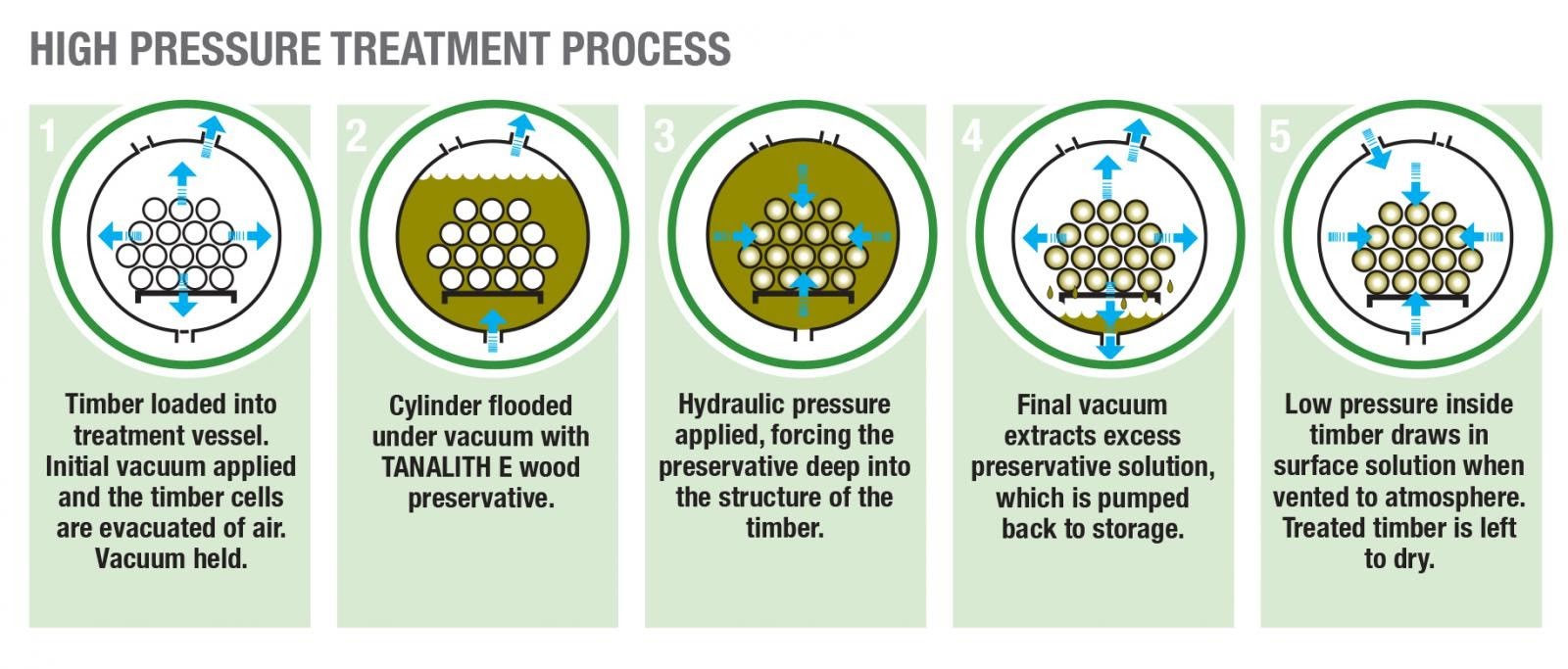
Tanalisation is the pressure-treatment process used to preserve timber. Sleepers are placed in a sealed cylinder and soaked in a preservative such as Tanalith E, before being subjected to up to 13 bar of pressure. This forces the treatment deep into the wood fibres, protecting it against moisture, fungus, and insects for years.
What is the difference between green and brown treatments?
The only difference is colour. Both undergo the same pressure-treatment process, but brown sleepers have a dye added for a warmer tone.
For a darker, modern look, apply Barrettine Shed & Fence Treatment to enhance the finish.
Do you use Creosote on your railway sleepers?
No. Creosote is no longer allowed for domestic use. Historically it was used for railway timbers, but it can leach and is unsafe for gardens. Suregreen sleepers are creosote-free, family-safe, and pet-friendly.
What is the difference between reclaimed and new railway sleepers?
Reclaimed sleepers are old, creosote-treated timbers removed from railway lines. While rustic in appearance, they can be uneven, messy, and unsuitable for gardens.
New softwood sleepers offer the same look with none of the drawbacks – clean, uniform, and safe.
For a premium finish, try Charred Brushwood Sleepers. These heat-treated sleepers mimic the beauty of aged wood with smooth, consistent sizing and rich grain texture.
Why do you need a spirit level and a good saw for sleeper projects?
When working with railway sleepers, precision is everything. A spirit level ensures your borders, planters, or raised beds end up beautifully straight and balanced—no accidental “rustic charm” here unless that’s your vision for the space. Neat, level lines create a polished and professional look, and help any stacked sleepers interlock properly for stability.
Cutting sleepers is another task where the right tools truly matter. A quality saw—ideally a circular saw for hardwood or reclaimed sleepers—makes light work of even the densest timber and guarantees crisp, accurate cuts. Softwood sleepers can be trimmed with a handsaw, but for oak or other dense materials, power tools are your friend.
And don’t forget: Whenever you cut a sleeper, seal the exposed end grain with timber preservative. This simple step keeps rot at bay, ensuring your handiwork stands the test of time.
What are the Top Tips for Laying Railway Sleepers for Borders, Edging, and Beds?
Getting the most out of your railway sleepers starts with smart preparation and careful installation. Whether you’re framing a border, crafting raised beds, or building unique garden edging, a few key steps will help you create long-lasting, professional results:
-
Start with a Solid Base: Dig a shallow trench rather than placing sleepers straight onto soil. For extra strength and longevity, set your sleepers on a bed of compacted hardcore or a concrete mix—this guards against ground movement and reduces the risk of rot.
-
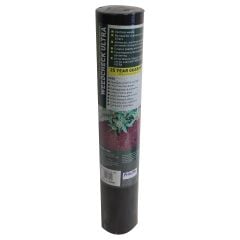
Add Weed Control: If your sleepers are forming raised beds or planters, line the area with a weed-suppressing membrane. This simple step helps stop stubborn weeds before they get a chance to invade your carefully nurtured plants.
-
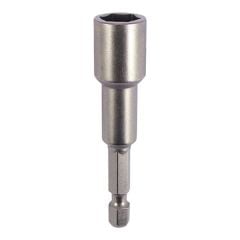
Choose the Right Fixings: Secure your sleepers using heavy-duty sleeper screws—brands like ForgeFast, Timco, or Carpenters Mate offer excellent durability. Galvanised brackets or straps are also ideal for reinforcing corners and connections, especially where strength matters most.
-
Precision is Key: Use a spirit level throughout your build to keep borders and beds straight and true. If your design calls for cutting sleepers to fit, opt for a high-quality saw or a circular saw for hardwood and reclaimed timbers. Remember: always treat any cut surfaces with a timber preservative to maintain the sleeper’s protective barrier.
-
Safety Note: Be aware that reclaimed sleepers might have hidden metal fixings from their previous use, so inspect carefully before cutting.
By following these simple tips, you’ll create garden features that not only look great but are built to stand the test of time—come rain, shine, or an enthusiastic gardening weekend.
Can Garden Railway Sleepers Be Laid Directly onto Soil?
Yes, you can lay railway sleepers directly onto soil, but it’s important to keep a few things in mind to maximise their lifespan and stability. Direct contact with earth increases the risk of rot, as moisture can accumulate around the timber—especially during wet seasons when the ground becomes saturated and prone to shifting.
To help sleepers last longer:
-
Add a layer of free-draining material, such as pea shingle or gravel, beneath and around the sleepers to improve drainage and prevent persistent damp pockets.
-
Opt for https://www.sure-green.com/landscaping/railway-sleepers/brown-treated-railway-sleepers.html for any timbers in direct contact with soil, or choose durable hardwoods like oak.
-
For additional protection, apply a wood preservative to any sawn ends before installation.
Proper foundation preparation, combined with the right choice of sleeper, will help avoid unnecessary movement and premature weathering.
For best results, when installing sleepers in direct contact with the ground, add plenty of drainage material—such as pea shingle—around the base to help prevent water from pooling around the wood during wetter months. This reduces the chance of sleepers becoming submerged and prolongs their life. Additionally, ensure any softwood sleepers in contact with soil are UC4 treated, or opt for durable hardwood varieties for maximum longevity.
What Are the Potential Issues with Laying Sleepers Directly on Soil?
While sleepers can be positioned straight onto the ground, there are a few important considerations to keep in mind:
-
Accelerated decay: Direct contact with soil increases the chances of moisture being absorbed, which speeds up the natural rotting process—especially for softwood sleepers.
-
Ground movement: Soil naturally shifts and settles throughout the year as it gets wet, dries out, or freezes, which can cause sleepers to move or become uneven over time.
-
Waterlogging risk: Without proper drainage, sleepers may sit in standing water during wetter months, further shortening their lifespan.
For best results, lay a base of pea shingle or gravel beneath the sleepers to enhance drainage and prevent constant moisture contact. If your design requires the sleeper to touch soil directly, choose either UC4-treated softwood or a dense hardwood like oak for increased durability and resistance to decay. This approach helps prolong the life of your installation and keeps things looking their best.
Should I Dig a Trench Before Laying Railway Sleepers?
For best results, it's wise to dig a shallow trench before positioning your railway sleepers—rather than placing them directly on bare soil. Starting with a trench provides extra stability and protection:
-
Reduced Movement: Bedding your sleepers into a trench helps to prevent shifting caused by ground frost, heavy rain, or general weight over time.
-
Improved Drainage: By setting the sleepers on a compacted gravel or concrete base, you ensure any water can drain away, limiting the risk of rot and prolonging the life of the wood.
-
Neater Finish: A trench allows sleepers to sit flush and level with the ground or each other, giving a tidy, professional look to your garden edging or raised beds.
Simply put, this extra step creates a sturdier, longer-lasting feature—well worth a little extra effort at the start.
What is the purpose of using a weed membrane under flower and vegetable patches?
A weed membrane acts as a protective barrier beneath your soil, keeping unwanted weeds out of your flower and vegetable beds. By laying down a quality membrane (such as Plantex or similar), you’ll save yourself from constant weeding while giving your plants a head start. It allows water and nutrients to reach plant roots while blocking the sunlight that weeds need to grow. This means less competition for your crops and a tidier, low-maintenance planting area—ideal for raised beds, borders, and vegetable patches.
What precautions should be taken regarding metals embedded in reclaimed sleepers?
Reclaimed railway sleepers may contain hidden metal such as old screws, bolts, or spikes left over from their previous railway life. These can be difficult to spot until you start cutting or drilling, so always check carefully before working with reclaimed timber.
To stay safe and avoid damaging tools:
-
Inspect sleepers thoroughly for any visible metal fittings or fragments.
-
Use a metal detector or strong magnet to help spot buried items.
-
Wear appropriate safety gear—especially eye protection and sturdy gloves—when handling or cutting.
-
If you do encounter metal, remove it with pliers or a crowbar before proceeding.
Taking these steps will help prevent accidents and ensure a smoother project, whether you're building garden furniture, steps, or raised beds.
What Is the Difference Between Garden Sleepers and Railway Sleepers?
If you’ve browsed for sleepers, you’ve probably noticed the terms “garden sleepers” and “railway sleepers” are often used interchangeably. However, there are some key differences worth noting—especially if you’re planning a garden project.
Garden sleepers are typically made from softwood, such as pine or spruce, and are designed specifically for landscaping above ground. They’re pressure-treated to resist rot, moisture, and fungal attack, so they’re ideal for garden borders, raised beds, or steps. Standard sizes, like 200mm x 100mm x 2.4m, are common and make installation straightforward.
In contrast, railway sleepers—at least in the traditional sense—refer to reclaimed timbers originally used beneath train tracks. These are often crafted from hardy woods like oak or dense tropical varieties and tend to show signs of age and use, giving them plenty of rustic charm. However, it’s important to be aware that reclaimed railway sleepers may have been treated with industrial preservatives such as creosote, which is not always suitable for every garden application.
Understanding these distinctions will help you choose the right type of sleeper for your project, whether you want fresh timber for a polished look or weathered character for a more natural, aged style.
How Can I Use Railway Sleepers in My Garden?
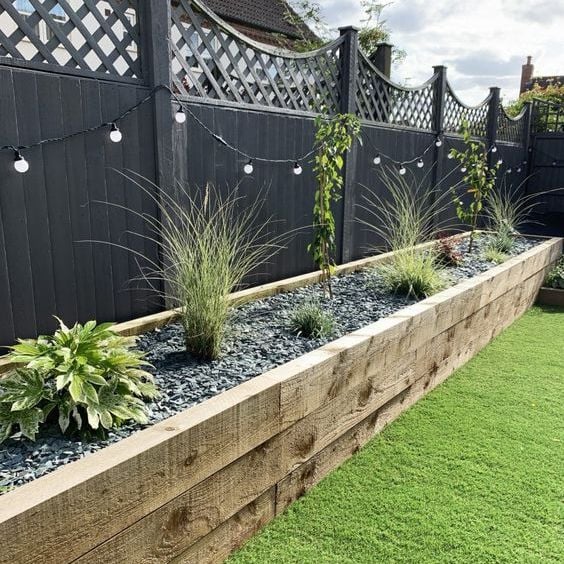
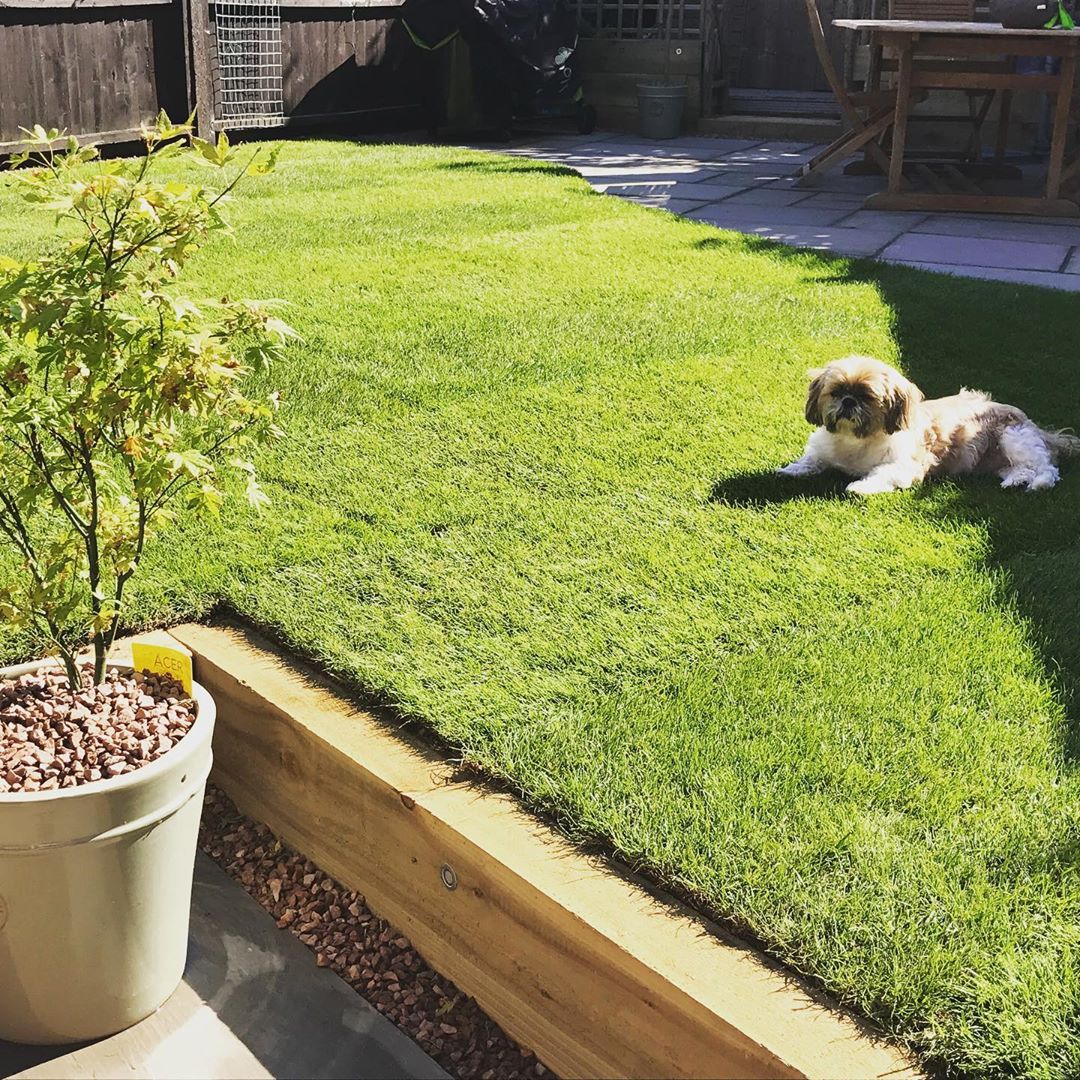
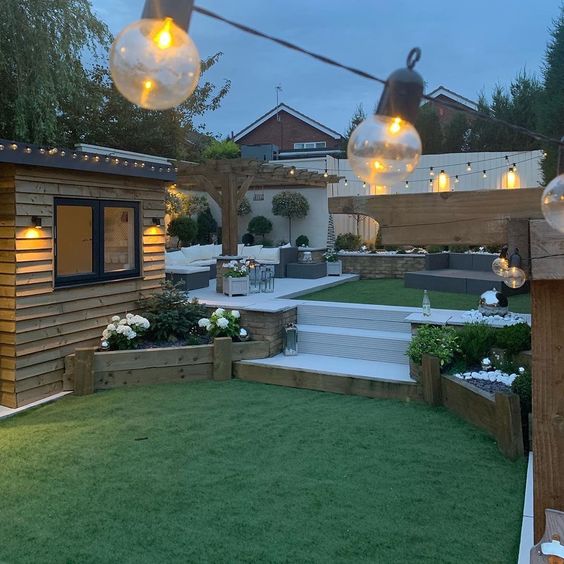
Railway sleepers are incredibly versatile. They can be used for:
-
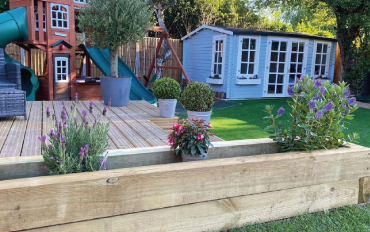
Raised beds and planters
-
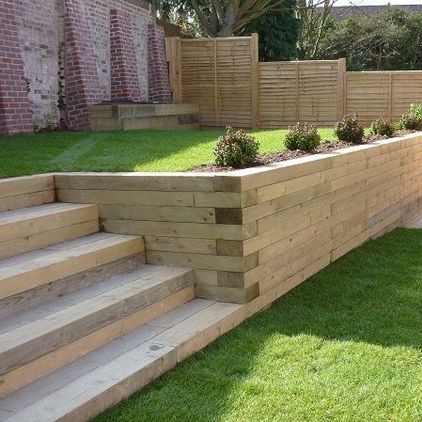
Retaining walls and steps
-
Ponds and water features
-
Benches, tables, and garden furniture
-
Edging, decking, and pathways
For a modern twist, combine sleepers with gabion baskets for stunning visual contrast.
Need inspiration? Explore our step-by-step guides:
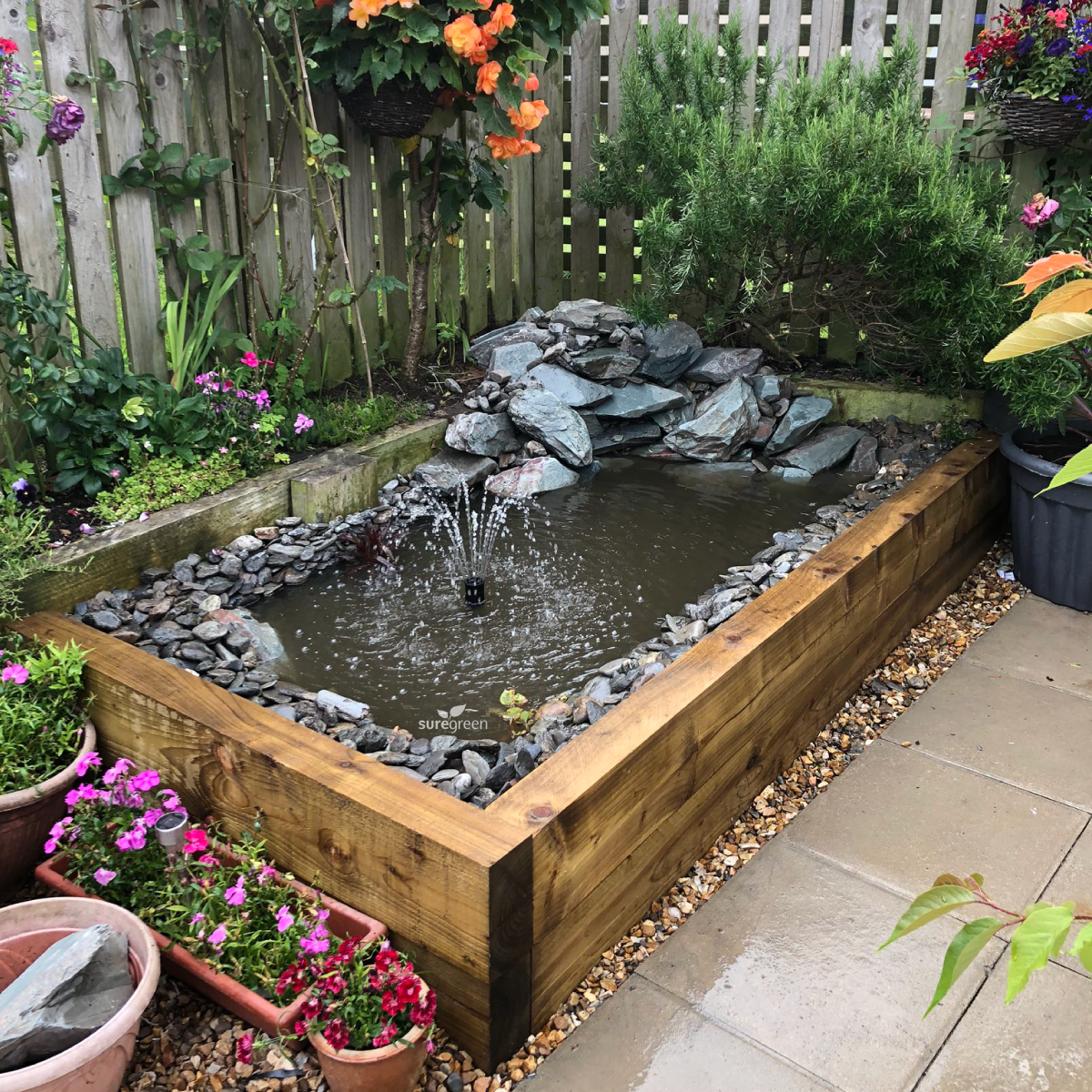
How to Build a Raised Pond with Railway Sleepers
How to Build a Sandpit with Railway Sleepers
How to Build a Raised Bed with Railway Sleepers
Can you cut railway sleepers?
Yes. You can cut sleepers using a circular saw or chainsaw for neat, straight edges. When cutting treated softwood sleepers, apply a timber preservative to the exposed ends to protect against rot.
How do I fix railway sleepers together?
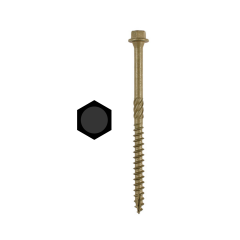
Sleepers may shrink slightly over time, so securing them firmly is essential. Use high-quality sleeper screws and metal brackets such as:


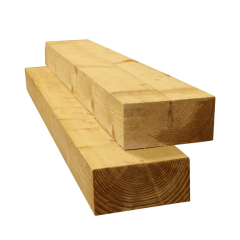
- Sleeper size: 2.4m x 200mm x 100mm
- Lifespan: 8 - 10 years
- Wood type: Softwood
- Treatment: UC3

- SKU: 998116
- Brands: Timco
- Hole Size: 6mm
- Shape: Hexagonal
- SKU: 871669-999618
- Length: 250mm, 150mm, 225mm, 75mm, 100mm, 125mm, 200mm, 175mm
- Brands: Timco
- Quantity: 10 pack, 50 pack
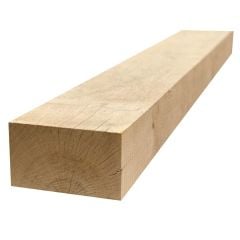
- SKU: 998192
- Sleeper size: 2.4m x 200mm x 100mm
- Lifespan: Up to 20 years
- Wood type: Oak
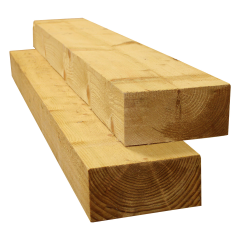
- SKU: 998208
- Lifespan: 8 - 10 years
- Wood type: Softwood
- Treatment: UC3
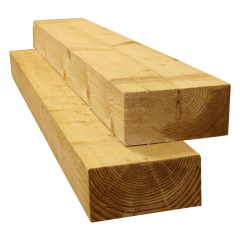
- SKU: 993494
- Lifespan: 8 - 10 years
- Wood type: Softwood
- Treatment: UC3
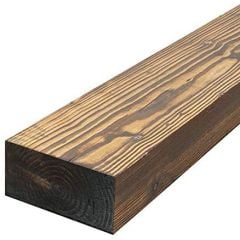

- SKU: 998246
- Brands: BSW
- Sleeper size: 2.4m x 125mm x 250mm
- Lifespan: 8 - 10 years
- Treatment: Fire
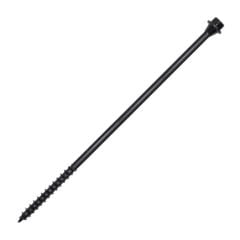
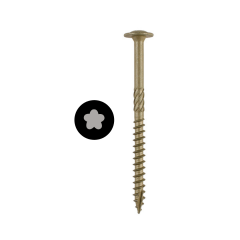
- SKU: 201178-999182
- Brands: Timco
- Size: 8mm x 200mm, 8mm x 250mm, 6.7mm x 150mm, 8mm x 300mm, 6.7mm x 95mm, 8mm x 225mm
- Quantity: 50 pack, 10 pack, 25 pack
- Length: 95mm
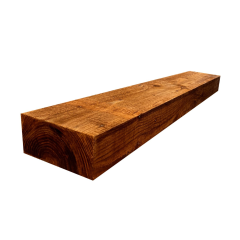
- SKU: 998758
- Brands: Suregreen
- Colour: Dark Brown
- Sleeper size: 2.4m x 200mm x 100mm
- Lifespan: 8 - 10 years
- SKU: 999496
- Lifespan: 8 - 10 years
- Wood type: Softwood
- Treatment: UC3