Houseplants bring colour, calm, and fresh air into our homes, but they can also attract unwanted pests such as flies and fungus gnats. These tiny insects can quickly multiply, disrupting your indoor space and damaging your plants’ roots.
Fortunately, with the right potting mix and horticultural grit, you can stop flies before they become a problem.
Why Do Flies Infest Indoor Plants?
Flies, especially fungus gnats, are drawn to warm, moist soil rich in organic matter. This environment allows them to lay eggs, which hatch into larvae that feed on decaying material and sometimes plant roots.
Over time, an infestation can lead to:
Yellowing leaves
Poor plant growth
Wilting despite regular watering
Keeping the soil dry and less organic is the key to breaking their breeding cycle.
Common Fly Control Methods (and Why They're Not Always Enough)
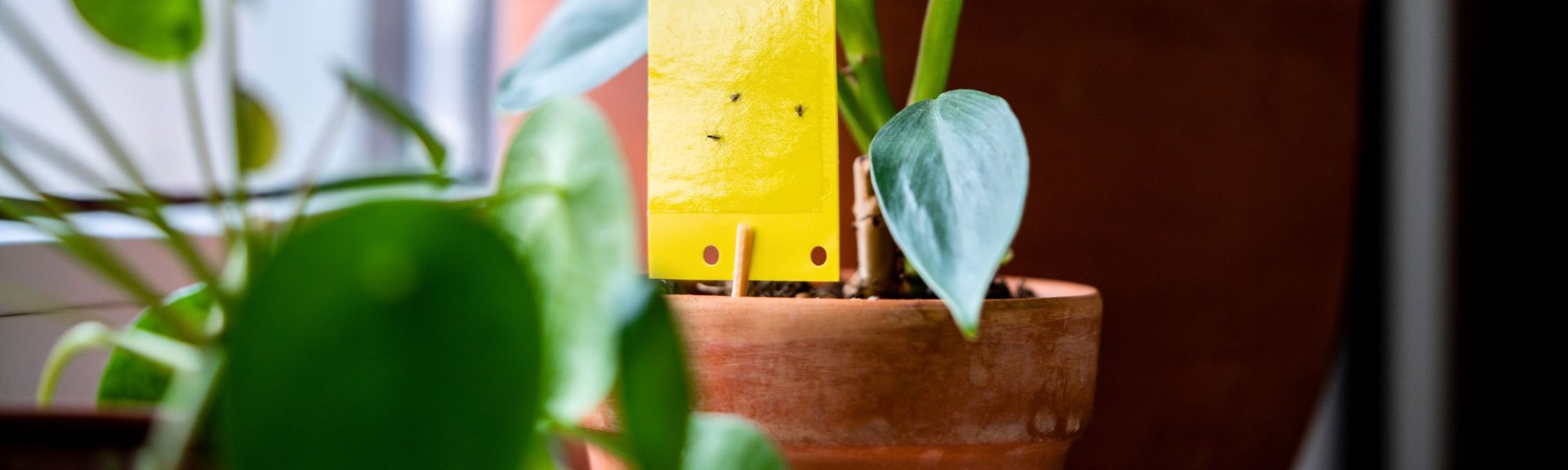
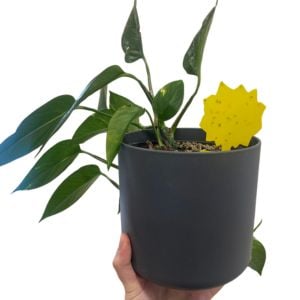
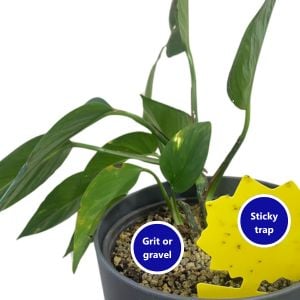
Many people turn to sticky fly traps to control houseplant pests. While these can catch adult gnats, they often look unattractive and don’t address the root cause, which is the eggs and larvae in the soil.
Sticky traps work best when placed horizontally, flat over the soil, rather than vertically, as this intercepts flies as they land. However, traps alone won’t prevent future infestations if the soil remains damp and inviting.
Use Horticultural Potting Mix to Prevent Gnats
One of the most effective long-term solutions is to use a horticultural potting mix rather than standard garden soil.
High-quality mixes contain peat moss, perlite, and vermiculite, which:
Improve aeration and drainage
Reduce excess moisture
Limit organic matter that attracts gnats
This creates a healthier root zone and an environment where flies cannot thrive.
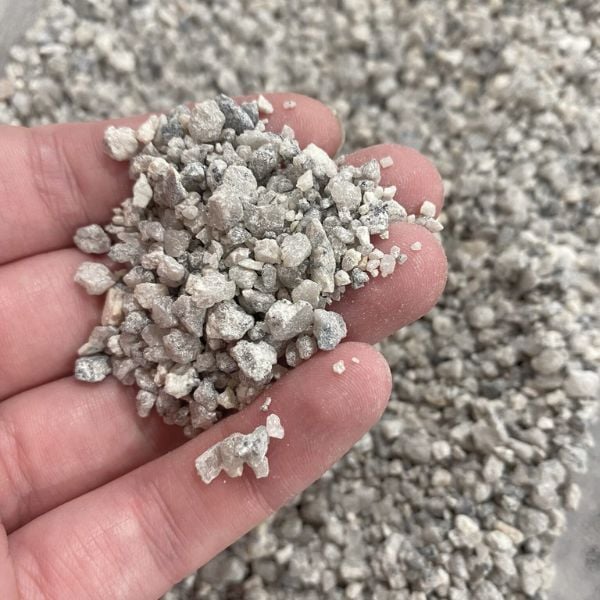
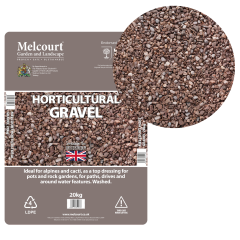
Add Coarse Grit or Horticultural Gravel as a Barrier
Prevents adult flies from reaching the soil to lay eggs
Reduces surface moisture
Deters flies with its rough texture
A 1–2 cm layer of grit or gravel is usually enough to keep gnats away while also giving your plant pots a clean, decorative look.
How to Prevent Flies in Indoot Plants: Step-by-Step
Choose the right potting mix Use a sterile, well-draining horticultural mix rather than soil from the garden.
Add a layer of coarse grit or gravel Spread evenly across the surface after potting to create a physical barrier.
Avoid overwatering Let the top few centimetres of soil dry between waterings. Fungus gnats thrive in constantly damp conditions.
Maintain plant hygiene Remove fallen leaves, dead stems, or decaying material that could attract pests.
Monitor regularly Keep an eye on moisture levels and signs of larvae to catch infestations early.
The Benefits of Using Grit and Potting Mix Together
Combining horticultural grit and potting mix provides the best protection for your houseplants.
The mix keeps roots healthy and drains efficiently.
The grit blocks flies from accessing the soil surface.
Together, they form a long-term, chemical-free solution to pest control.
Final Thoughts
Flies in houseplants are a common frustration, but they don’t have to be. By improving your soil quality, controlling moisture, and using horticultural grit or gravel, you can stop fungus gnats and keep your indoor garden healthy.
With a few easy changes, you’ll have vibrant, pest-free plants all year round.
Shop Gardening Essentials at Suregreen
Here at Suregreen, we supply everything you need to protect and maintain healthy indoor and outdoor plants, from potting mixes and plant fertilisers to grit and gravel for pest control.