


Garden Drainage 101: What to Do If Your Garden Keeps Flooding
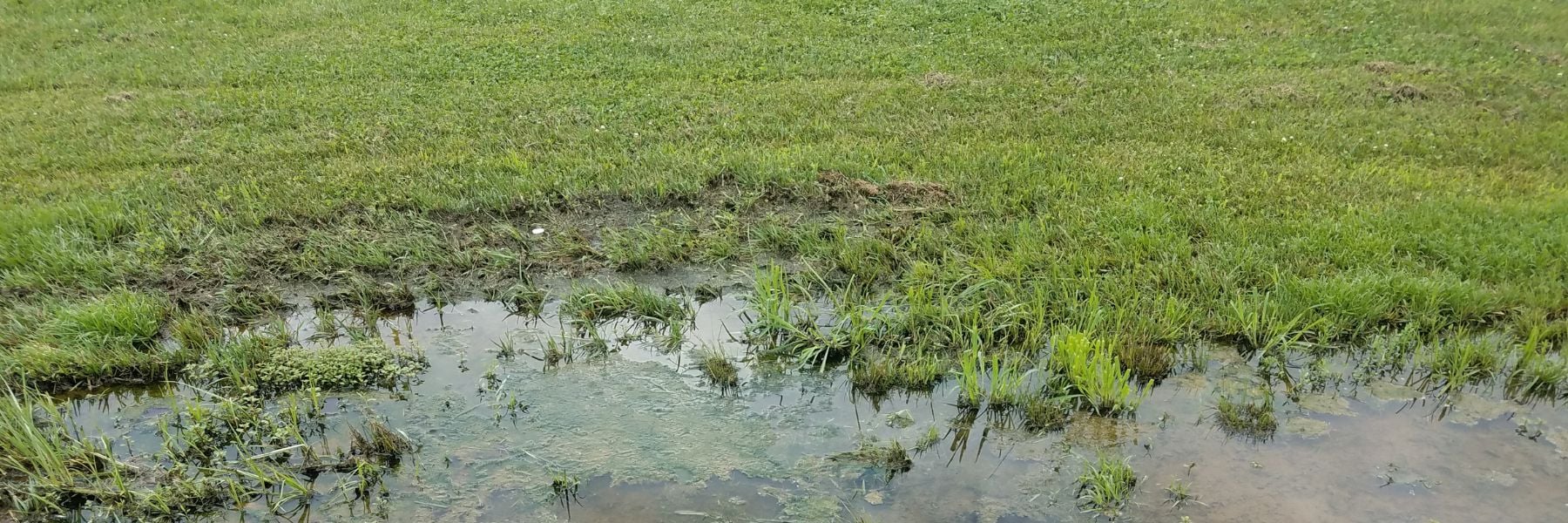
A soggy lawn. Puddles that won’t shift. Beds that wash out every time it rains.
If your garden turns into a swamp every winter—or after one heavy downpour—it’s more than just frustrating. Poor drainage can damage your plants, ruin paths, and make your outdoor space completely unusable.
The good news? There are simple and effective ways to fix garden flooding—without tearing up the entire garden.
Here’s your step-by-step guide to improving garden drainage and stopping standing water for good.
1. Understand Why Your Garden Floods
Before you fix it, it helps to know what’s going wrong. Most waterlogging comes from one (or a combination) of the following:
- Clay-heavy soil that holds water
- Poor garden slope, causing water to collect in one area
- Compacted ground from foot traffic or machinery
- No place for the water to go (i.e., no drainage route or soakaway)
Walk your garden after heavy rain and watch where the water pools. That’s your starting point.
2. Aerate the Soil and Break Up Compaction
Sometimes, a flooding issue is simply because your soil is too compacted. If water can’t soak in, it sits on top—and keeps sitting there.
Use a garden fork or aerator to create deep holes across the affected area. This lets water drain through more easily and helps oxygen reach plant roots. For lawns, this can be done twice a year—once in spring and once in autumn.
Top tip: Add sharp sand or compost into the holes to help keep them open and improve drainage over time.
3. Install a Soakaway or Drainage Pit
If your garden gets hit hard by rain, it may need somewhere for the water to go. A soakaway is a simple and effective option—it’s basically a pit filled with rubble, gravel, or a soakaway crate that lets water slowly drain into the surrounding soil.
You can place it at the lowest point of your garden and connect it with a shallow trench lined with land drainage pipe or perforated pipe. It’s a bit more work, but ideal for persistent drainage issues.
Suregreen stocks the materials you'll need for this, including drainage pipe, membranes, and gravel.
4. Use Ground Reinforcement Grids or Gravel Stabilisation
If you're dealing with boggy areas on walkways, driveways, or turf, ground reinforcement grids are a great fix. These products:
- Support the ground beneath to stop sinking
- Allow water to drain through naturally
- Create a stable surface for walking, driving, or play
They're especially useful for schools, parks, or car parking areas where you need good drainage and stability.
5. Improve Planting and Use Raised Beds
If certain areas are always wet, consider using raised beds to lift your planting above the waterline. Not only does this improve plant health, but it also adds structure and accessibility to your garden.
You can also introduce water-loving plants (like dogwood, ferns, or hostas) in problem zones—or use them as a stylish, natural buffer around water-prone areas.
6. Install French Drains or a Swale
For long, narrow areas that flood—like the edge of a path or boundary line—a French drain is an effective solution. It’s a trench filled with gravel and a perforated pipe that redirects water underground.
Alternatively, a shallow swale (a gentle, grassy dip) can collect and slow water runoff in a more natural-looking way—ideal for larger gardens or school grounds.
7. Use Permeable Landscaping Materials
If your patio, driveway, or seating area uses non-porous materials (like concrete or standard block paving), water has nowhere to go. Consider switching to permeable gravel, bark, or grass grids that let water pass through while still looking clean and finished.
These options help reduce surface water and are now often preferred under Sustainable Urban Drainage Systems (SuDS) guidelines.
Final Thoughts
Sorting garden drainage doesn't need to be complicated. With the right approach and a few smart materials, you can turn a waterlogged mess into a functional, attractive outdoor space—whether it’s a private garden, school playground, or business frontage.
Need help choosing the right solution?
Suregreen’s team is here to help, with expert advice and a wide range of drainage materials, ground stabilisation products, and eco-friendly landscaping solutions—all ready for fast UK delivery.




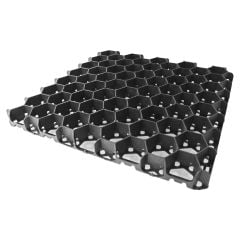
- SKU: 430653-433777
- Thickness: 40mm
- Size: 1 sqm
- Colour: Green, Black
- Cell Dimension: 57mm - Hexagonal
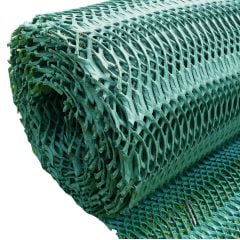
- SKU: 430004-993999
- Thickness: 14mm
- Size: 1m x 10m, 2m x 10m, 2.5m x 15m, 2m x 20m
- Colour: Green
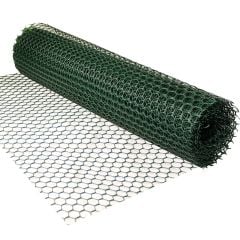
- SKU: 433814-437676
- Thickness: 4mm
- Size: 1m x 10m, 2m x 10m, 2m x 30m
- Colour: Green, Black

- SKU: 200959-212136
- Size: 1m x 10m With 50 Pins, 1m x 10m, 2m x 20m With 150 Pins, 2m x 20m, 2m x 10m With 100 Pins, 2m x 10m, 2.5m x 5m, 2.5m x 5m with 50 pins
- Length: 10m, 5m
- Thickness: 10mm
- Colour: Green