

How to Maintain Wooden Fence Posts Year-Round
Wooden fence posts are a classic choice for both domestic gardens and rural land. They’re strong, reliable, and look great—but like any outdoor timber, they’re exposed to the elements 365 days a year.
Rain, frost, sun, wind, and soil moisture can all take their toll. The good news? With the right approach, you can keep your fence posts standing tall for years to come—without replacing them every few seasons.
Here’s your year-round maintenance plan for wooden fence posts, whether they’re holding up a garden panel, stock fencing, or a boundary gate.
Spring: Inspect and Repair Early
Spring is the best time to check for winter damage. Frost, rain, and wind can loosen posts or lead to rot at the base.
Checklist:
- Walk the full fence line and gently push each post—look for any movement or wobbling.
- Check for splits or cracking in the timber, especially near the base.
- Look for signs of rot or insect damage.
- Re-tighten or replace any fixings, brackets, or nails that may have come loose.
Quick fix tip: Loose posts can often be re-secured using post repair spikes or concrete repair spurs, which avoid the need to dig out and replace the whole post.
Summer: Protect Against Sun and Dry Rot
During summer, the biggest threat is drying and splitting. Prolonged sun exposure can cause timber to crack, especially at the top where it’s most exposed.
What to do:
- Apply a UV-protective wood treatment or stain. This helps maintain the timber’s colour and stops it becoming brittle.
- Trim any vegetation crowding the post to allow airflow and prevent moisture build-up.
- Check the tops of the posts—add post caps or treat exposed ends to reduce water ingress and cracking.
Autumn: Get Ahead of the Wet Season
Autumn is about preparation. As the rain returns and temperatures drop, your fence posts are at higher risk of soaking, swelling, and rotting.
Top tips:
- Re-apply a water-repellent wood preservative—especially around the base where it meets the soil.
- Check that the base of each post is not buried too deep or surrounded by soggy soil—this traps moisture and speeds up decay.
- If your posts are set in soil (not concrete), consider adding gravel or compacted hardcore at the base to improve drainage.
Winter: Keep Watch and Act Fast
Winter is the toughest season for fence posts. Wind, freezing rain, frost heave, and snow can all cause structural damage or movement.
Winter watchlist:
- After storms, check for leaning or loose posts—act quickly before the problem worsens.
- Keep snow and ice from piling up against posts if possible.
- Make minor repairs before they turn into big jobs—tighten fixings and re-stabilise shifting bases.
If a post breaks or rots out mid-winter, you can use post repair kits or concrete-in replacements as a temporary or permanent solution.
Bonus Tips for Long-Term Fence Post Health
- Use pressure-treated timber for all new fence posts—it’s designed to resist rot and decay.
- Always use galvanised fixings and brackets to avoid rust and corrosion.
- When installing new posts, dig wide enough holes and always backfill with dry-mix concrete or postcrete for stability.
- Leave a slight gap between the post and soil surface or apply a bitumen post saver sleeve to protect against moisture at ground level.
A strong fence starts with solid posts.
With a bit of attention each season, you’ll avoid the most common issues and extend the life of your fencing—saving time, money, and hassle in the long run.
Need help with replacements or treatments?
Suregreen stocks fence posts, post fixings, preservatives, and repair solutions to keep your fencing upright and protected all year round.


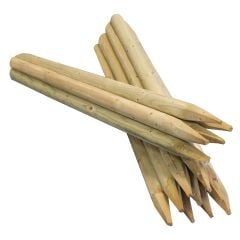
- SKU: 201086-997256
- Height: 1200mm, 1500mm, 1650mm, 1800mm, 2100mm, 2400mm
- Treatment: UC3 Green Treated
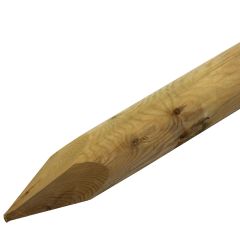
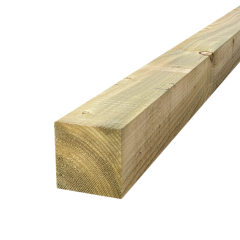
- SKU: 203172-877289
- Height: 1.5m, 1.8m, 2.1m, 2.4m, 3.0m
- Dimensions: 100mm x 100mm, 75mm x 75mm, 50mm x 50mm
- Colour: Green
- Treatment: UC4 , UC3
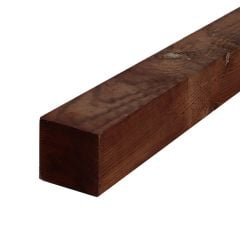
- SKU: 877234-877319
- Height: 1.8m, 2.4m, 3.0m
- Dimensions: 75mm x 75mm, 100mm x 100mm
- Colour: Brown
- Treatment: UC4
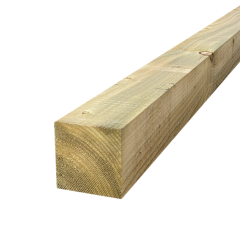
- SKU: 203172-877289
- Height: 3.0m, 2.4m, 2.1m, 1.8m, 1.5m
- Dimensions: 100mm x 100mm, 75mm x 75mm
- Colour: Green
- Treatment: UC4
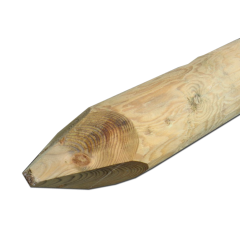
- SKU: 207064-873649
- Length: 2.4m, 2.1m, 1.8m, 1.65m
- Width: 75-100mm, 50-75mm
- Treatment: UC4 Cundy Peeled