

Common Fencing Installation Mistakes (and How to Avoid Them)
Installing a fence might seem straightforward, but even experienced contractors and landscapers can run into costly issues if key steps are overlooked. Poor installation can lead to premature failure, unhappy clients, call-backs, and unnecessary expense.
Whether you're installing agricultural fencing, security fencing, stock fencing, or site perimeter systems, avoiding these common mistakes will help ensure a professional finish that stands the test of time.
1. Failing to Assess Ground Conditions
One of the biggest mistakes made before installation even begins is not properly assessing the site. Different ground types require different installation methods, post depths, and fixing systems.
Rocky ground can make post driving difficult, while soft or waterlogged soils may require deeper post installation or additional reinforcement. Ignoring these factors can result in unstable fence lines and leaning posts over time.
Top tip: Walk the entire fence line before work starts and identify any changes in terrain, soil condition, drainage issues, or underground obstructions.
2. Incorrect Post Spacing
Post spacing is critical to the strength and appearance of any fence. Posts installed too far apart can cause sagging wire, excessive pressure on intermediate supports, and reduced overall durability.
On the other hand, placing posts unnecessarily close together increases material costs without providing significant structural benefits.
Always follow the manufacturer's recommendations for the specific fencing system being installed and account for terrain changes where additional support may be needed.
3. Not Installing Posts Deep Enough
Fence posts provide the foundation of the entire structure. If they aren't installed to the correct depth, movement becomes inevitable.
Shallow posts are more vulnerable to:
- Wind loading
- Ground movement
- Livestock pressure
- Vehicle impact
- Frost heave
A fence that looks perfectly straight on installation day can quickly develop problems if post depth has been compromised to save time.
Remember: The depth of installation should be determined by fence height, ground conditions, and the intended application.
4. Overlooking Straining Assemblies
End assemblies, corner posts, and straining posts carry significant tension loads, particularly on wire fencing systems.
Insufficient bracing is a common cause of fence failure. Without correctly installed strainers and braces, tensioned wire can pull posts out of alignment, weakening the entire fence line.
This is especially important when installing:
- Stock fencing
- Deer fencing
- Rabbit netting
- High-tensile wire systems
- Boundary fencing on uneven ground
Investing time in robust end assemblies will improve the longevity and performance of the entire installation.
5. Poor Wire Tensioning
Achieving the correct tension is a balancing act.
Over-tensioned wire increases stress on posts and fixings, while under-tensioned wire creates sagging sections that look unprofessional and perform poorly.
Using appropriate tensioning tools and following product guidelines helps ensure optimal performance and prolongs the lifespan of the fence.
Regularly checking tension as the installation progresses can also help maintain a consistent finish across the entire fence line.
6. Ignoring Terrain Changes
Many fencing problems occur when installers attempt to maintain a perfectly straight fence across uneven ground without adjusting their installation method.
Slopes, dips, and changing gradients require careful planning to avoid:
- Large gaps beneath fencing
- Uneven wire tension
- Excessive strain on posts
- Poor visual appearance
Stepping or contouring the fence line may provide a more effective solution depending on the site and fencing type.
7. Using the Wrong Fixings and Accessories
The quality of a fencing system is only as strong as its weakest component.
Using inappropriate staples, clips, brackets, or fasteners can lead to premature wear and failure. Equally, mixing incompatible materials may increase the risk of corrosion and reduce product lifespan.
Always select accessories that are suitable for the specific fencing system and environmental conditions.
For example, coastal and exposed locations often benefit from enhanced corrosion protection due to their harsher operating environments.
8. Neglecting Gates and Access Points
A fence installation should be planned as an entire system rather than a series of individual sections.
Gates, access points, and vehicle entrances are frequently treated as an afterthought, resulting in awkward layouts, misaligned openings, or excessive pressure on gate posts.
Before installation begins, consider:
- Access requirements
- Equipment movement
- Livestock handling routes
- Future maintenance needs
- User convenience
Proper planning at this stage can prevent expensive alterations later.
9. Skipping Final Checks
When deadlines are tight, it's tempting to move straight on to the next project. However, a final inspection can identify issues before they become customer complaints.
Key checks include:
- Post alignment
- Wire tension consistency
- Secure fixings
- Gate operation
- Overall appearance
- Site cleanliness
A thorough quality check demonstrates professionalism and helps protect your reputation.
The Value of Getting It Right First Time
A well-installed fence delivers more than just security or containment. It reflects the quality of the contractor carrying out the work and provides long-term value for the end user.
By taking the time to assess the site, use quality materials, and follow best-practice installation techniques, contractors can reduce call-backs, improve project efficiency, and build stronger customer relationships.
At Suregreen, we supply professional-grade fencing materials, tools, and accessories trusted by contractors, landscapers, farmers, and land managers across the UK. Whether you're working on agricultural, commercial, or environmental projects, choosing the right products from the outset can help ensure every installation is built to last.
Reviewed by: Suregreen Product Specialists
Last Updated: October 2026
- SKU: 431032-436150
- Thickness: 3.3mm, 2.5mm, 3.15mm, 2mm
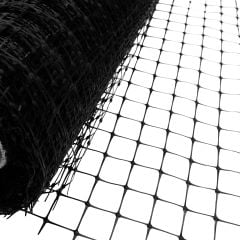
- SKU: 204575-436860
- Length: 100m
- Brands: Suregreen
- Colour: Black
- UV-Stabilised: Yes
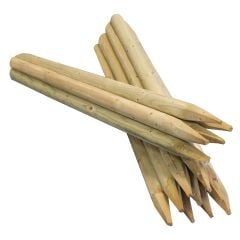
- SKU: 201086-997256
- Height: 1200mm, 1500mm, 1650mm, 1800mm, 2100mm, 2400mm
- Treatment: UC3 Green Treated